Private hospitals in popular tourist cities like Punta Cana and Santo Domingo often require upfront payment before treatment and rarely accept international insurance directly. Even a minor emergency can mean paying thousands of dollars on the spot and dealing with reimbursement later.
In addition, most hospitals and doctors in the Dominican Republic will not bill U.S. health insurers directly. Without a dedicated travel insurance plan, you are essentially responsible for every medical cost during your trip.
Choosing a policy designed for international travel helps you:
- Access private clinics and hospitals without delaying care due to cost concerns.
- Reduce or avoid large upfront payments when the insurer works directly with local facilities.
- Focus on recovery instead of worrying about how each medical decision affects your budget.
Understanding medical coverage requirements
To feel genuinely protected, look for medical benefits that match the reality of healthcare costs in Punta Cana.
Most travelers are advised to choose a policy with at least $50,000 in emergency medical coverage, and many prefer higher limits for added peace of mind. Medical evacuation coverage is equally important, as airlifts or transfers to better-equipped hospitals can be extremely expensive.
Key medical benefits to prioritize include:
- Emergency medical expenses for hospital stays, surgery, diagnostic tests, and medications.
- Emergency medical evacuation to the nearest appropriate facility or back home when medically necessary.
- 24/7 assistance services with multilingual support to help you locate doctors, arrange payment, or coordinate transportation.
- Repatriation of remains in worst-case scenarios.
- Coverage for prescription medications and follow-up care, especially if you manage chronic conditions.
By focusing on these essentials, you ensure that a medical issue does not derail your Punta Cana vacation or your finances.
Adventure activities and insurance considerations
If your trip includes adventure tourism, standard policies may not be enough. Many basic travel insurance plans exclude injuries from activities considered high-risk, which often include the very experiences that make Punta Cana exciting.
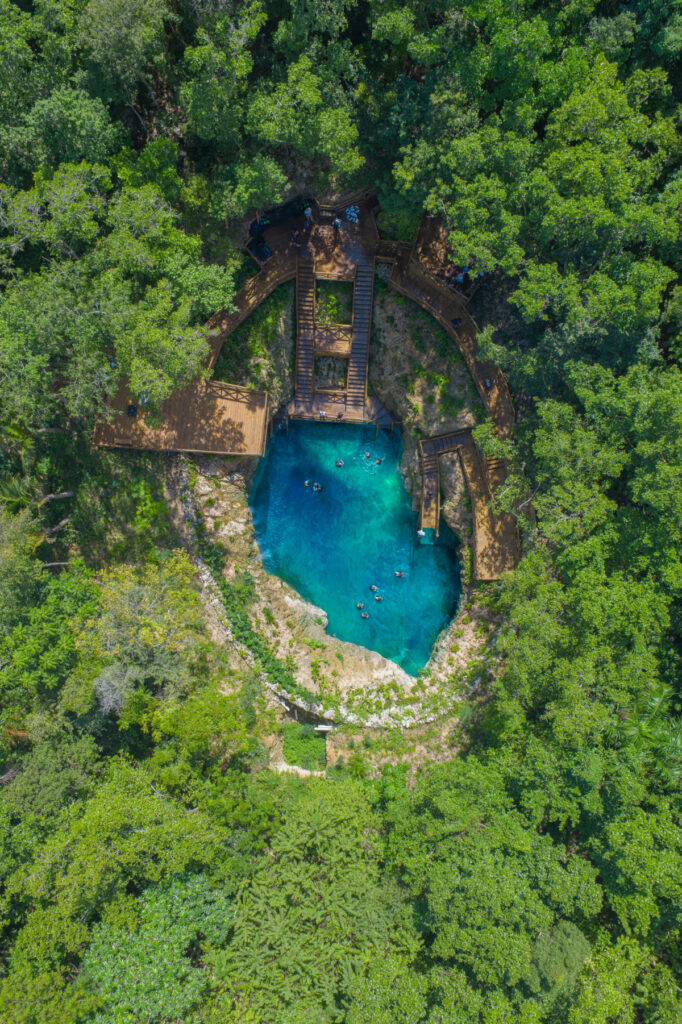
Injuries related to snorkeling, zip-lining, or off-road excursions are more likely to be covered when you select a plan that specifically includes sports and adventure activities. This is especially important if you plan to spend a full day enjoying attractions in Scape Park Cap Cana, where you can combine zip lines, cenote swims, cave exploration, and nature trails in a single visit.
Before purchasing a policy, confirm that it covers:
- Zip-lining and canopy tours.
- Water activities such as snorkeling, kayaking, or swimming in cenotes.
- Cave exploration and underground river or cenote experiences.
- ATV, buggy, or off-road excursions.
- Horseback riding and guided nature hikes.
Adventure parks maintain strong safety standards, but no activity is completely risk-free. Having appropriate coverage allows you to fully enjoy these experiences, knowing you are protected if an accident or injury occurs.
Is travel insurance required for Dominican Republic entry?
Travel insurance is not a formal requirement to enter the Dominican Republic. Immigration authorities do not typically ask for proof of coverage, and in some periods the government has offered limited complimentary coverage to visitors.
However, complimentary or basic plans may have low limits, narrow networks, or exclusions for adventure activities and pre-existing conditions. They are not a substitute for a comprehensive policy tailored to your needs.
Instead of asking, “Do I have to buy insurance?” a better question is, “How would I handle a serious emergency without travel insurance for Punta Cana?”